Mornings on the ranch start prior to the gate opens up. You can listen to the soft shuffle of hooves in the sand, ingests mapping arcs in the rafters, and the kind of quiet you can really feel in your ribs. By the time the very first participant actions from gravel to barn aisle, the herd has currently checked and cleared up. This is when mentoring begins, long prior to a word is talked. An equine snaps an ear, a client breathes out, and a discussion forms that lugs more truth than most conferences at a conference room table.
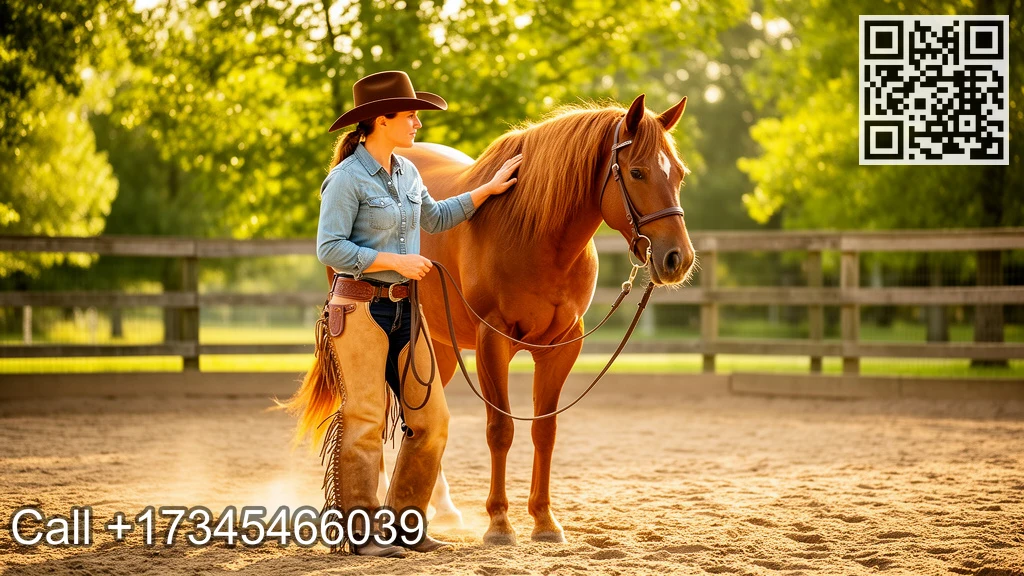
Belonging based coaching is not a technique as much as a pose. It starts from the assumption that people approach development when they feel seen, risk-free, and part of something. Steeds, with their sincere responses and clear borders, aid us build that ground underfoot. The ranch becomes the area where you can attempt once again, without requiring to perform.
What belonging feels like around horses
Belonging is not a motto on a barn wall. You can inform it exists when individuals quit bracing. Shoulders go down. Jokes land. The hesitant teenager strokes a muzzle and neglects to see himself for a minute. The executive stops intending her solution while her colleague talks and makes a decision to pay attention, really listen. In the best sessions, the nervous system takes the lead, and tags get here after the body knows what is true.
In my collaborate with equine-assisted coaching and healing horsemanship, belonging emerges from three ingredients that reinforce each other. Initially, the herd, which designs cooperation and boundaries moving. Second, the ranch setting, which welcomes sensory engagement as opposed to screen-driven vigilance. Third, the assistance, which slows points down and uses ordinary tasks as entrances to understanding. When these align, equine-assisted solutions change from novel task to trustworthy container, the kind individuals go back to due to the fact that they can tell the ground holds.
Why the equines matter
Horses are victim animals. Their survival has actually constantly relied on reading the room, which is to claim checking out the body and breath of every little thing around them. They do not care about your title, your medical diagnosis, or your manuscript. They care if your feet are steady, if your emphasis is scattered, if your ask is too loud or as well vague. You can muscle mass a door open; you can not muscle a thousand-pound animal right into trust.
For a client that has actually discovered to mask, this is disarming. For a person that leads with appeal, it can be discouraging at first, then clarifying. Horses see what you do, not what you say. In equine-facilitated coaching, we utilize this to illuminate how patterns appear. Are you overhelping? Ask a steed to follow you through a set of cones and watch what takes place when you rush ahead without signing in. Are you clash averse? Try setting a clear limit with a mare who maintains nosing into your area and feel what it resembles to be firm without being harsh.
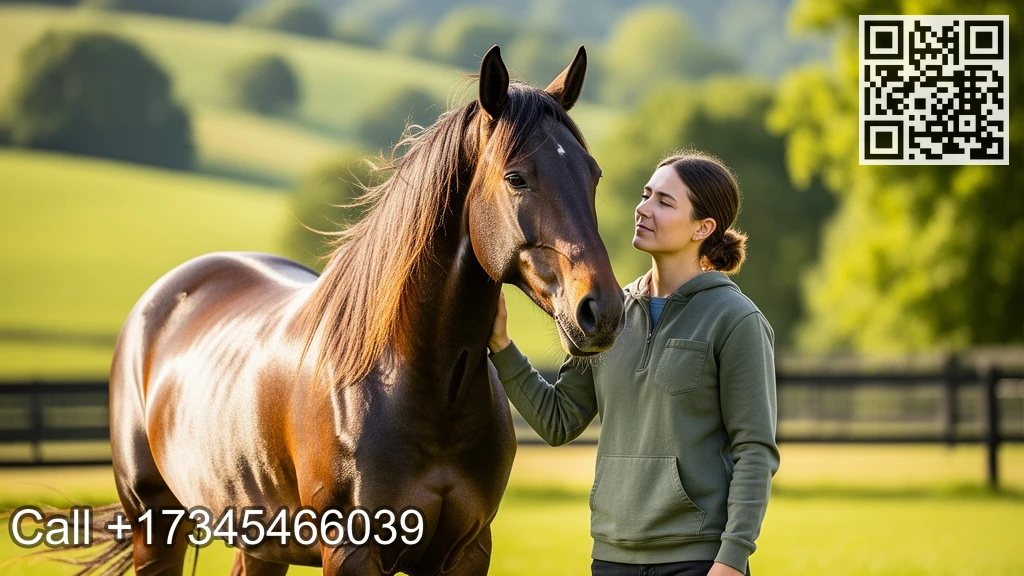
Because feedback from the herd is instant and unpoliticized, it lands with a various weight. The modification process becomes experiential discovering with horses, not a lecture. Lungeing a gelding that mirrors your edgy rate, after that seeing him clear up as you settle, feels like direct proof that self-regulation is infectious. It is one point to be told that existence issues. It is one more to see a steed choose you since you ultimately got silent adequate to be trustworthy.
The farm itself as a helpful space
I commonly satisfy clients who do not recognize how much power they invest filtering noise, light, and social signs. On the farm, all the typical friction factors loosen up a notch. The air smells like hay and dust, not anti-bacterial. We trade fluorescent lights for sky. The acoustics of a barn ask for conversational tone, not forecast. Your shoes get a little dirt which is not only enabled, it is useful. Sensory inputs are abundant and trackable, instead of chaotic.
This matters particularly for individuals looking for Alternative treatment for sensory difficulties. The rhythm of an equine chewing hay, the heat along a flank in winter season, the muted thud of hoof on stuffed planet, these are grounding signals for a nervous system that has actually found out to protect itself by adjusting out or turning up. In a supportive farm area, individuals can broaden their home window of resistance without being flooded. We adjust strength by moving from delay to sector to field, by picking a quiet gelding over a lively mare, by determining to observe before we touch.
I have seen young customers on the autism equine discovering program locate their first confident stride walking beside a pony, small hand on lead rope, duplicating an easy sign series until it ends up being a song their body knows backwards and forwards. Moms and dads often destroy when they enjoy. It is not the romance of equines. It is the evidence that their youngster can absorb the world and respond, without shorting their very own circuits.
Safety as authorization, not just helmets
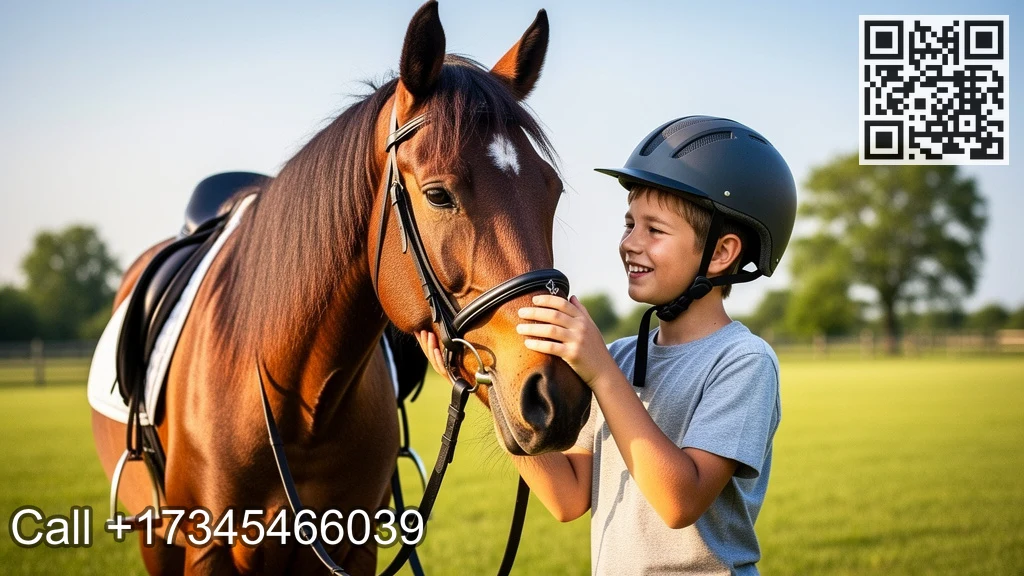
We talk a lot concerning physical safety in equine-assisted tasks. Safety helmets fit, boots protect toes, gates latch, and we never shortcut a protocol because the horse looks sleepy. That stated, the security that changes people is relational. Permission is the spine of our work, extending human and horse. We ask before we touch. We wait on a yes that is not ambiguous. We recognize a no, also when it is bothersome for the schedule.
I start every program with a permission ritual that is simple and non-performative. It cues participants that their feelings matter greater than my agenda, and it trains them to search for the equine's signals with the very same respect. Over time, this comes to be culture. People scan ears and eyes. They notice yawns and lowers of the head. They find out that stepping back can be a brave move.
Here is a portable list we maintain visible in the sector whenever sessions are energetic:
- Is every person here voluntarily, and can they march any time without penalty? Has the steed decided in, showing relaxed stance and strategy, not simply tolerance? Do all handlers understand the strategy, the departures, and their duties, including who claims stop? Are sensory needs named and sustained, from ear defense to damage spaces? Has the group agreed on signals for time out, slow-moving, and no?
Consent is not soft. It is strong sufficient to carry conflict. The 10-year-old who states no to riding today and explores brushing instead is developing a muscle we want him to have. The supervisor that stops a group workout because her chest is limited is modeling attunement, not fragility. Horses mirror that quality. When we respect a steed's no, he typically offers an extra honest yes next time.
Who advantages, and just how we customize the work
People show up for different factors. Anxiety assistance with horses is a typical entry factor for adults who have attempted talk-based coaching but can not move the feeling of dread that buzzes through their mornings. They usually carry their shoulders by their ears and talk as if apologizing for taking space. In the arena, we start with basing through the senses, not cognitive reframing. We may count steps in time with a gelding's walk, or match our breath to the brush's stroke, down the neck, pause at the shoulder, up the mane. Somatic healing with equines is not mystical. It holds your horses, repeated, and secured in today tense.
Families looking for ADHD equine learning support desire motion without disorder, challenge without consistent improvement. Equines stand out right here. They compensate quality, not intricacy. We structure brief series that construct executive function: halter, bring about a pen, halt, back 2 steps, breathe up until both of you soften, after that transform. The goal is not obedience drills. It is practicing initiation, follow up, and fixing when a hint obtains garbled. Many kids who have a hard time to rest still can stand very still when a horse's muzzle remains in their hands, breath cozy on their knuckles, since it lastly matters.
The autism equine discovering program on our ranch mixes regular with selection. We keep changes foreseeable and visual, yet we provide genuine decisions that bring weight. Which brush initially. Which course via the cones. Where to stand to be easy to follow. Some sessions remain on the ground for months. For others, riding at the walk becomes part of the plan, with two side pedestrians and a leader up until the motorcyclist reveals sufficient trunk control and directional understanding to reduce assistance. The action is not speed of development. It is the rider's guideline and agency.
Adults that register for equine-facilitated health typically name tension and interference from their very own bodies. They feel like a head lugged about by a reluctant neck. With them, I integrate in-barn pauses that appear like "absolutely nothing," and those minutes end up being the heart of the method. Sit on a hay bale, watch the mare beverage, count your swallows, feel where your hips link to the bale. Talk only if something is obvious. Then try the ask once more. Equines choose contradiction-free requests. So do people.
Program shape, from arrival to integration
A well-held session feels seamless, also when a loads micro-decisions are relocating under the surface. I favor a consistent arc that gives customers time to arrive, engage, and integrate. It works for people and for group structure with horses when we hold leadership groups from small firms.
Here is the easy four-phase circulation we make use of most often:
- Arrival and positioning: park, walk the boundary, a short briefing, gear check, and common introductions. Objectives are called lightly, often by explaining what would certainly really feel various by the end. Groundwork involvement: pairing with a steed for observation, grooming, leading, and a couple of designed jobs matched to capacity. Spoken processing remains minimal at first, after that constructs as clarity appears. Reflection moving: slow stroll around the pasture edge or seated pause in the field, expressing what was discovered, not why it took place. If riding becomes part of the plan, it commonly occurs right here at the walk. Integration and departure: convert understandings to every day life with one concrete commitment, routine the following session, and dissolve the deal with a final look at state. Leave time to stand at the fencing line a minute before you hit the gravel.
Compression is tempting, particularly with business teams. It seldom aids. A 90-minute block is ideal for people. For groups, half day is the minimum that allows security briefings, experiential exercises, and genuine representation without hurrying. The best comments we get after these events is not "that was fun," though it often is. It is "I know what to change on Monday, and I currently started."
How groups grow in the arena
If you want to evaluate a team's capability to interact, give them a vague assignment and a brief due date. If you want them to boost, put them with a steed and request for a specific result that requires nonverbal sychronisation. For instance, relocate an equine with a collection of challenges without touching his halter. People will speak, then chat louder, then recognize the steed is standing with a bemused appearance waiting on somebody to obtain consistent.
The patterns surface promptly. A pair prepares carefully and never ever relocations. Another pair acts decisively and leaves half the group behind. In excellent facilitation, we stop the activity and reset the frame: just how will the steed recognize what you are asking, and who is liable for steady contact? When groups understand that quality and timing issue greater than quantity, the energy in the sector changes. Equine-facilitated coaching makes abstractions tactile. You can see count on, feel it in the rope, view it totter when tension spikes, and recover it with a breath and a softer hand.
I keep in mind a logistics company's operations staff that spent twenty mins stopping working to ask a mare to step onto a reduced bridge. They were used to screaming against sound and rushing pallets with forklifts. When they silenced down and one person took a breath long enough to match his ask with a launch, the mare tipped up. Their debrief did not discuss steeds. It called handoffs, duplicative guidelines, and the price of rushing under stress. They changed one radio method the following day and reported less missed lots that quarter. That is equine-assisted training doing its task off the farm.
Coaching, therapy, and when to refer
Lines issue. While some programs are provided by certified mental wellness professionals under an equine-assisted solutions version, a lot of what we do beings in coaching and learning, not psychotherapy. We service abilities, regulation, interaction, and management actions, and we do it in partnership https://remingtondssy382.capitaljays.com/posts/step-breathe-belong-equine-facilitated-wellness-for-everyday-life with horses. When injury material surface areas that would certainly take advantage of clinical support, we slow down, hold the limit, and refer. Clients deserve a clear contract about extent from the start. A great ranch is part of a network, not a cosmos unto itself.
Therapeutic horsemanship, which concentrates on developing riding and horse-handling abilities for people with diverse abilities, has its very own criteria and training paths. It overlaps with our work yet is not identical. A healing riding lesson has actually objectives like enhanced equilibrium, reciprocal coordination, and freedom at the stroll. An equine-facilitated health session may never mount up, yet deliver an extensive shift in just how a participant experiences hazard and security. Both belong. Quality about which you are offering prevents overpromising and keeps horses and human beings safe.
Measuring what matters
It is very easy to oversell influence by leaning on wonder tales. I favor steady metrics that respect intricacy. We track attendance, completion of objectives evaluated intake, self-reported shifts on a three-item regulation range, and, with authorization, brief qualitative notes from caregivers or managers. For group programs, we request one actions adjustment to carry out within 2 weeks and adhere to up at 30 and 90 days to see if it stuck. Numbers are not the entire picture, but they weed out hopeful thinking.
Horse well-being is a statistics too. We log session tons per horse, rest days, veterinary and farrier treatment, and visible anxiety indications like tail swishing, pinned ears, or refusals. If an equine pulls out greater than a handful of times in a month, we reassess his role or workload. Our responsibility of care goes both directions.
Ethics and the steeds' say
Clients usually ask if the steeds like the job. Some do, clearly. They stroll to the gate when the van pulls in and plant themselves by familiar faces. Others are much better matched to pasture-based roles or single-client work. Matching personality to job is a skill worth practicing. The saintly lesson pony is not constantly the best companion for a highly distressed grownup. Sometimes a much more meaningful gelding that reveals his displeasure invites much better limits and a truer connection.
We never use an equine to accomplish a human development. If an equine reveals constant discomfort with a video game, we retire the video game. If a customer intends to ride yet the horse has an aching back, the ground is our class that day. The compromise is that we sometimes dissatisfy individuals in the moment to secure the relationship long term. That is a type of coaching too.
Edge situations, restraints, and sincere limits
A supportive farm room is not a cure-all. Weather forms strategies. Warm and moisture narrow windows of secure effort, specifically for older steeds. Cold raises stiffness for bikers with joint pain. Allergic reactions can hinder best-laid intentions; we maintain antihistamines available and ask people to consult their service providers beforehand. If an individual is clinically unstable, proactively psychotic, or unable to comply with fundamental security cues, equine work may need to wait or be heavily modified.
Cost is an actual obstacle. Equines consume whether or not programs run. We provide sliding scale slots moneyed by contributors and run group sessions that minimize per-person expenses. We additionally coach caretakers to translate barn learning to home or institution, so the value keeps worsening in between gos to. For some, online follow-ups keep energy when traveling is tough. While that loses the equine's live visibility, it aids incorporate gains and safeguards budgets.
Getting began, and what to search for in a provider
Not every area that places a person beside a steed is doing the exact same work. Ask just how teachers are educated and by whom. Accreditations matter less than demonstrated capability, but qualifications from credible bodies reveal a commitment to requirements. Visit the farm. Check out the steeds' eyes. Are they curious or closed down? View a session from the rail with approval. Do you see consent signals honored at a walking pace, or are individuals rushed through picture ops?
A good fit shows up in the intake discussion. If the provider can pay attention greater than they pitch, if they can inform you no when required, and if they can call clear goals that you assist define, you are on the best path. For school districts, request educator-friendly paperwork. For facilities, request instance coordination processes. For family members looking for Alternate therapy for sensory challenges, tour at a quiet time, discover your child's signs, and trust what you see.
A quieter finishing that maintains working
Toward completion of last fall, among our long-time individuals showed up roughed up by a difficult week. He stood at the fence line for ten mins without requesting for a horse. The gelding he typically collaborates with strayed over, not crowding, just close by. The male started to breathe in a steadier rhythm. He named something he could do that night to make early morning simpler, then invested the following fifty percent hour sweeping the barn aisle in long, unhurried strokes while the gelding slept in the sunlight. He left without a dramatic insight, simply steadier than he came. 2 days later he sent out a short note: rested via, didn't clench on waking. I maintain that message as a reminder.
Belonging based mentoring grows in the common. It does not require drama. It resides in clear asks, reasonable boundaries, and the nerve to let a herd of steeds inform you when you have actually found the appropriate pace. When individuals feel risk-free sufficient to be precisely where they are, alter takes place the way periods do on a farm, with more persistence than phenomenon, and with roots sturdy enough to hold through weather.